

Designing Effective Wayfinding Systems: A Focus on English Language Perspectives
What's the Big Deal About Wayfinding Systems? A Deep Dive into Design and Importance
Ever walked into a mall or a museum and felt like you were in a maze? That's where wayfinding systems come into play. But what exactly is a wayfinding system, and why is it so crucial in today's world? Let's dive in and unravel the mystery!
What is a Wayfinding System?
Think of a wayfinding system as the GPS for physical spaces. It's a set of tools and strategies used to help people navigate through complex environments. From airports to shopping centers, these systems guide us to our destinations with ease.
Components of a Wayfinding System
Now, let's break down the key components of a wayfinding system:
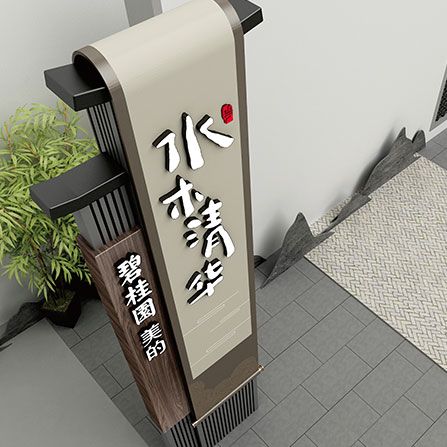
Signage: The most visible part of the system, including directional signs, maps, and identification signs.
Color Coding: Using colors to differentiate between different areas or types of spaces.
Graphics and Imagery: Visual elements that make the system more engaging and easier to understand.
Landscaping: The physical layout of the space, including pathways, lighting, and seating areas.
Technology: Digital tools like apps, kiosks, and interactive maps.
Why is Wayfinding Important?
Here's why wayfinding is a big deal:
Enhances User Experience: A well-designed wayfinding system makes the experience more enjoyable and less stressful.
Improves Safety: By providing clear directions, people are less likely to get lost or wander into dangerous areas.
Boosts Efficiency: Users can find what they need faster, reducing wait times and improving overall productivity.
Boosts Brand Image: A professional and user-friendly wayfinding system reflects well on the organization or business.
Designing an Effective Wayfinding System
So, how do you design a wayfinding system that really works? Here are some tips:
Understand Your Audience: Know who will be using the system and tailor it to their needs.
Keep It Simple: Avoid clutter and use clear, concise language.
Be Consistent: Use a consistent design throughout the system to avoid confusion.
Test It: Get feedback from users and make adjustments as needed.
Case Studies: Wayfinding Systems in Action
Let's take a look at some real-world examples of successful wayfinding systems:
New York City Subway: The iconic subway maps are a prime example of a simple yet effective wayfinding system.
Apple Stores: Known for their minimalist design, Apple stores use wayfinding to guide customers seamlessly through their stores.
Heathrow Airport: With its clear signage and interactive kiosks, Heathrow Airport makes navigating the terminal a breeze.
Common Challenges in Wayfinding System Design
While designing a wayfinding system, you might encounter some challenges:
Complexity of the Space: Some environments are just more complex than others, making it harder to design an effective system.
Limited Budget: Budget constraints can limit the scope and quality of the system.

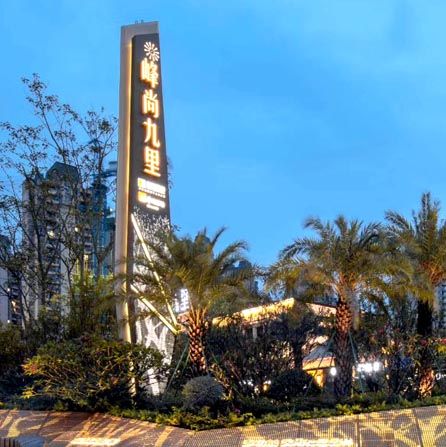
图片由人和时代CRT标识设计集团提供Changing Needs: As spaces evolve, the wayfinding system may need to be updated to accommodate new layouts or uses.
Future Trends in Wayfinding System Design
As technology advances, we can expect to see some exciting trends in wayfinding system design:
Augmented Reality (AR): AR can provide real-time, interactive wayfinding experiences.
Internet of Things (IoT): IoT devices can enhance wayfinding by providing real-time information and updates.
Personalization: Wayfinding systems can be tailored to individual preferences and needs.
Conclusion
In a world where we're constantly on the move, wayfinding systems play a crucial role in helping us navigate our surroundings. By understanding the key components, challenges, and future trends, you can design a wayfinding system that truly stands out. So, the next time you're in a maze-like space, remember: it's all about the wayfinding!

人和时代设计
品牌设计、VI设计、标识设计公司


标识导视资料百科
Signage Information Encyclopedia
海岛景区导视系统设计 指引与美学的融合2025/05/12
Designing Effective Wayfinding Systems: A Focus on English Language Perspectives2025/05/12
导视系统设计 打造高效空间导航的艺术与实践2025/05/12
导视系统设计方案打包 一站式视觉导览解决方案标题2025/05/12
视觉传达设计专业导论 理论与实践融合之路2025/05/12
导视系统设计 打造高效空间导航的艺术与实践2025/05/12
趣味导视 导航艺术 创意导视设计新风尚2025/05/12
创新导视标识设计 打造高效空间导航体验2025/05/12
景区导视标牌设计 引领游客畅游自然的视觉导航艺术2025/05/12